
Careers
Steve Young: From the Gridiron to Private Equity
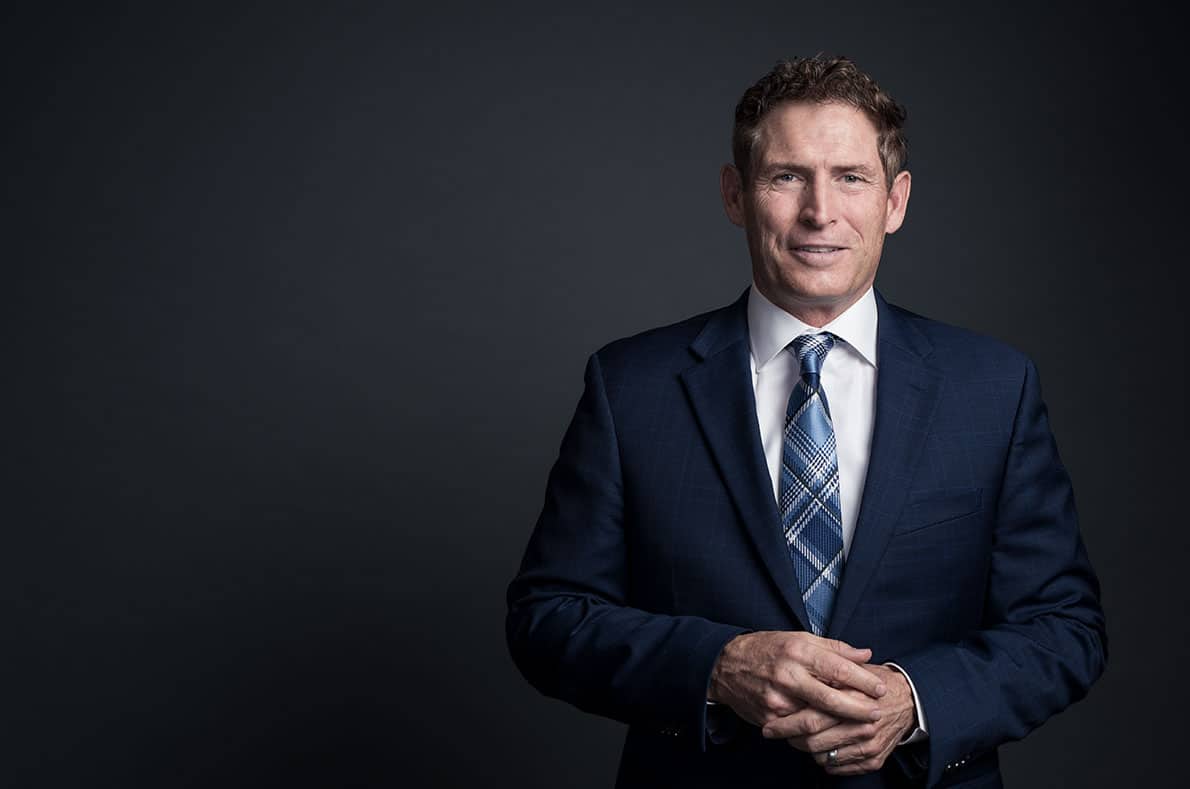
Steve Young is a legendary quarterback in the NFL. Now he is Co-Founder, Chairman & Managing Partner of HGGC, a leading private equity firm in Silicon Valley and a major investor in Equity Methods.
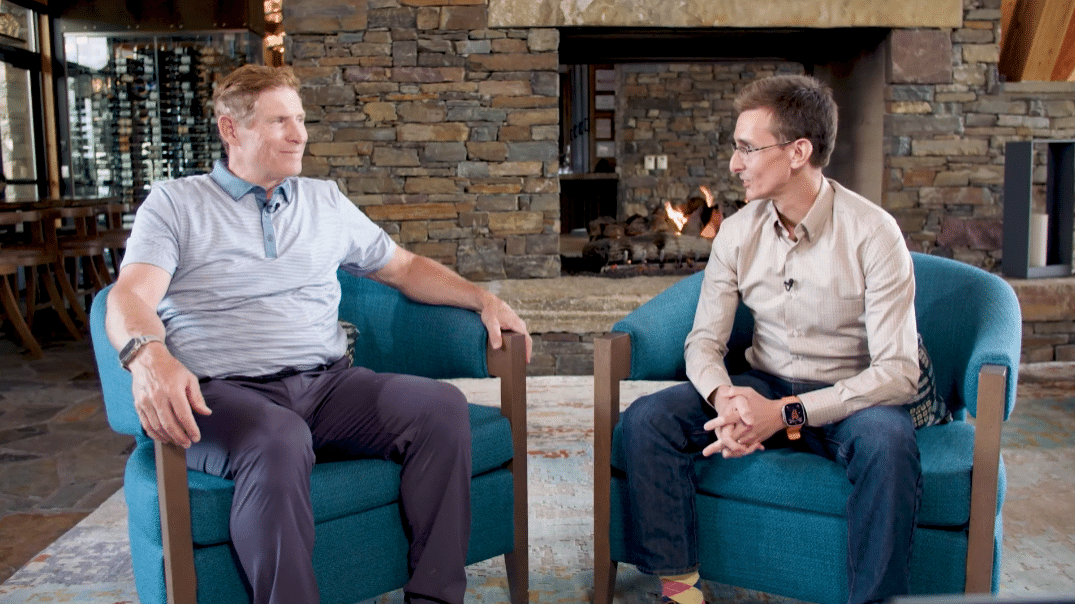
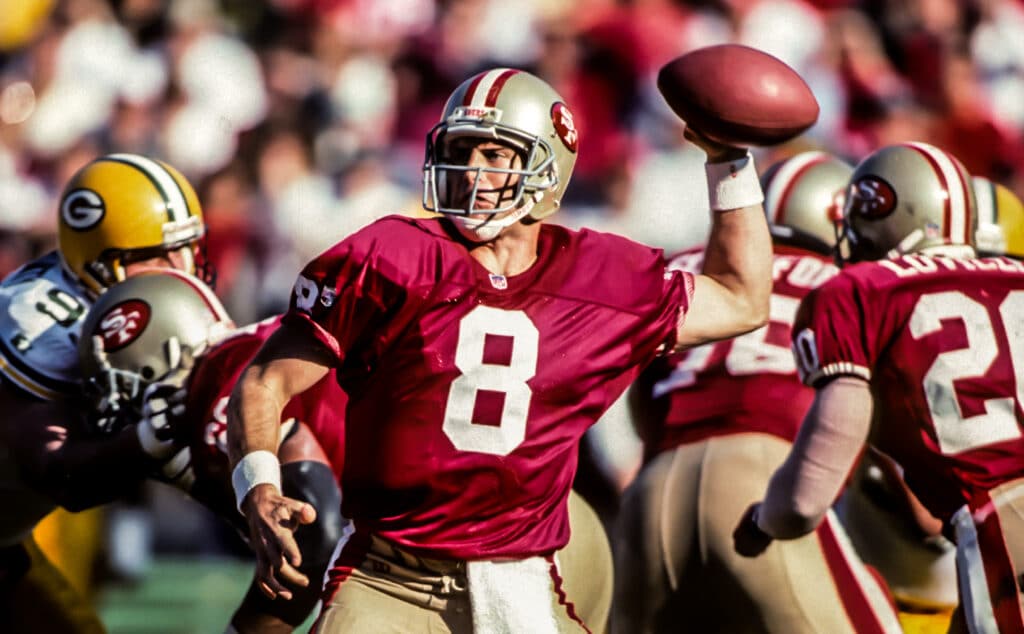
It’s natural to assume that Steve Young, former record-setting quarterback for the San Francisco 49ers and the Tampa Bay Buccaneers, and three-time Super Bowl winner, finds the relative serenity of corporate boardrooms a welcome change from the gridiron battles he fought for 15 seasons. The two settings could not be more different. One, polite and professional, the other rough and tumble. But, to hear Young tell it, while the C-Suite might be more civil, the activities he saw on the AstroTurf usually offered more clarity.
“On the football field, there’s immediacy. There’s a score, there’s immediate feedback. You’ve got 80,000 people watching. You can’t hide. Everyone sees what happened, and you either own it or you won’t play for very long,” Young recently told Takis Makridis, President and CEO of Equity Methods. “In business, it’s different. People can obfuscate, make excuses, or blame circumstances.”
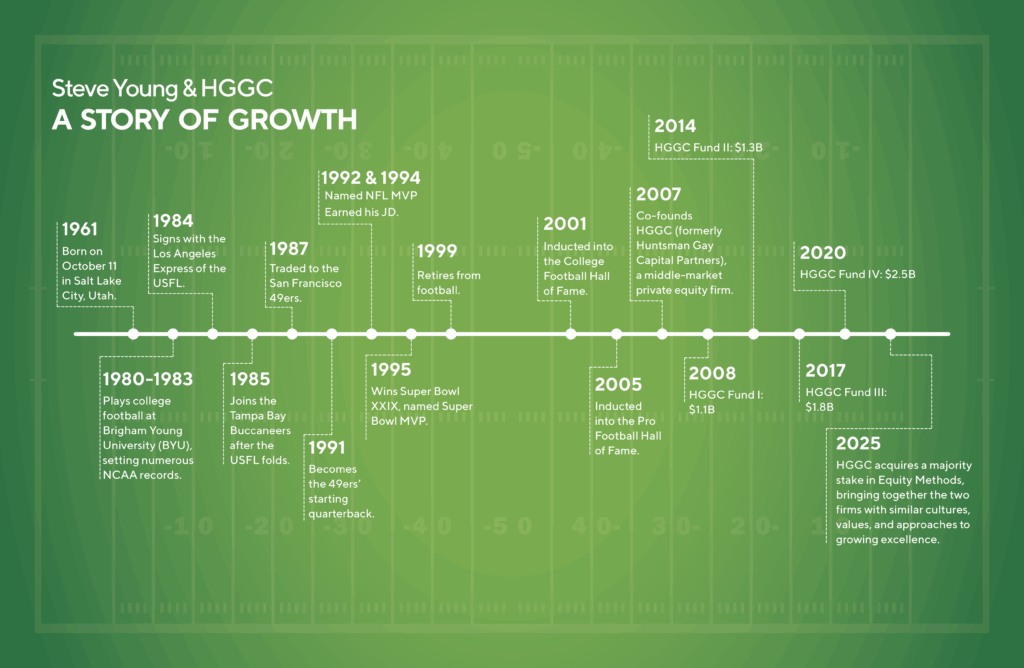
Young, who retired from professional football in 1999 after racking up one of the NFL’s most impressive legacies, including a roster of record-setting plays, multiple MVP titles, and three Super Bowl rings, refuses to make excuses. Instead, he focuses on applying the hard-earned lessons he learned on the field to his role as co-founder of HGGC, a values-driven, middle-market private equity firm.
“I try to bring that same spirit of immediacy I saw in football to business,” he says. “Be accountable, be vulnerable, and be willing to fix mistakes. No matter what the external conditions are, no matter whether the mistake could be hidden, I’m looking for ways to get better.”
On the football field, there’s immediacy. There’s a score … you’ve got 80,000 people watching. You can’t hide.
— Steve Young
Dream and Plan
Signs that Young’s career aspirations would eventually extend beyond the stadium were obvious long before his final huddle. In 1994, while still sporting his 49ers jersey, Young earned his law degree from BYU.
“My dad always said, ‘Everyone needs a dream and a plan,'” he says. “The NFL was my dream; my plan was law school. So, during the off-season, I went to law school. Seven winter semesters. The year I graduated was the year we won Super Bowl XXIX. Was it insane? Probably. But it gave me a sense of preparation for life after football and helped me build an ability to juggle multiple priorities.”
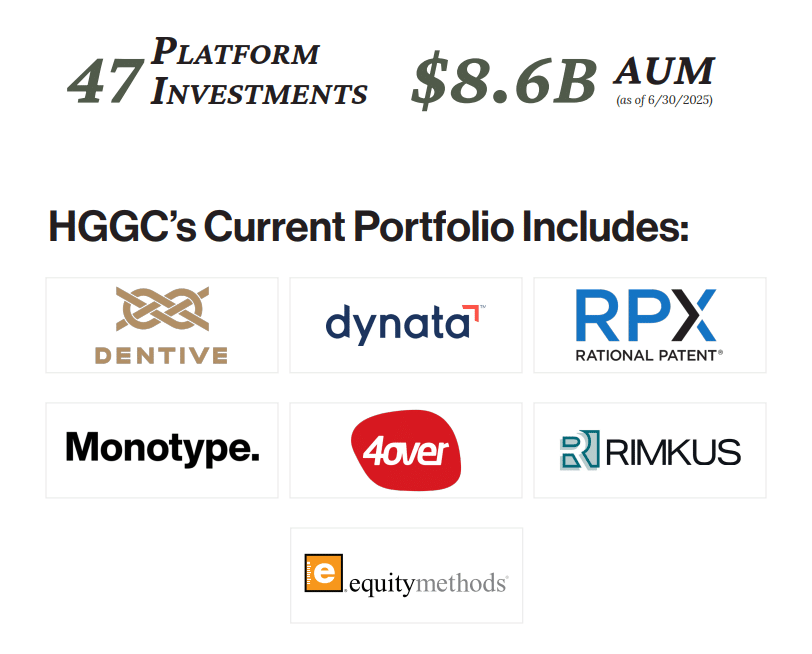
After hanging up his cleats, Young served as an on-air commentator for both ABC and ESPN, co-hosting a variety of pre-game, halftime, and post-game shows. Meanwhile, his work in finance earned him recognition beyond the sports community, helping establish him as an influential business leader. In 2007, Young leveraged his recognition when he co-founded (along with Rich Lawson, industrialist Jon M. Huntsman, and Robert C. Gay) Palo Alto-based HGGC, where he helps oversee the firm’s $8.6B of assets under management (as of 6/30/2025). HGGC’s current portfolio of business services investments consists of 4over, Dentive, Dynata, Monotype, Kimkus, RPX, as well as a recent addition: Equity Methods, which HGGC acquired in April 2025. When the Equity Methods acquisition was announced, HGGC committed to providing the Scottsdale-based company with “resources to support to enhance its services, strengthen its technological capabilities and human capital and develop new offerings.” Makridis welcomed the news, saying it “will help us on our trajectory of disciplined growth so that we can assist clients in more areas.”
There’s a strength in recognizing mistakes you’ve made and being vulnerable and open to being taught.
— Steve Young
Intellectual Honesty
The two organizations are a natural fit. Not only do they share a commitment to growth, but they also share common values. For instance, Makridis and the entire Equity Methods team embrace the adage, “Bloom where you’re planted.” In other words, utilize the fertile ground around you instead of assuming the grass might be greener elsewhere. That adage resonates with Young because it recalls his early days with the San Francisco 49ers, when he came on board as a second-string quarterback in support of the 49ers’ legendary first-stringer, Joe Montana.
“I didn’t want to be Joe Montana’s backup. That wasn’t the plan,” says Young. “But a friend told me, ‘Be the best backup that’s ever lived,’ so I prepared like I was starting every week. I was constantly ready to play. And when the chance came, all that preparation got me the job I wanted.”
Young was committed to making the most of the new role, despite it not being his ideal plan. “Even if it’s not your dream role, opportunities can follow,” he says. Young applies that same belief to the world of business as well.
“Business has more EQ and IQ issues than football, but I think that sense of vulnerability needs to be the same in both,” he says. “We’ve been using the phrase ‘intellectual honesty’ a lot lately, and part of that is asking ourselves: Where did we miss? Do we have a deficiency? What does version 2.0 look like?’’
For Young, this means executives should question the “intentionality” of their actions.
“If you’re not careful, you may be doing what you think is right, but it’s just not matching what you’ve said. And you need to align those,” he says.
That alignment resonates with Makridis, who says it speaks to a sense of humility that both Equity Methods and HGGC share.
“Humility is important, both on and off the field,” he says. “For Equity Methods, we think about it a lot when we recruit, in terms of being vulnerable, trainable, coachable, and willing to start something new.”
Young agrees but adds that humility should be measured.
“Humility is powerful, but it can’t be coupled with a timidity that leads to you blaming yourself for everything that happens. There’s a strength in recognizing mistakes you’ve made and being vulnerable and open to being taught,” says Young.
“I call it meekness, the ability to be teachable, open to learning, and ready to own mistakes. The best people I know are emotional athletes. They’re superior performers who hold vulnerability, excellence, and kindness in tension. I think that’s where the magic really happens, which is why I surround myself with incredible people who bring out the best in me, through their skills, their talents, and their positive energy. They want you to be successful,” he adds.
We view private equity as more than just a transaction; it’s a collaborative problem-solving journey.
— Steve Young
Building Bonds
Young says that surrounding yourself with the right people, whether in the boardroom or on the field, is essential to achieving success.
“When you work with people who care about your success, who are nice to work with, and bring positive energy, that chemistry leads to real abundance,” he says.
“That’s what my coach, Bill Walsh, taught us. He said the key to winning wasn’t play-calling. It was about love and shared experience. He built a culture where people built bonds across positions and hierarchies. That’s what makes teams great,” Young says.
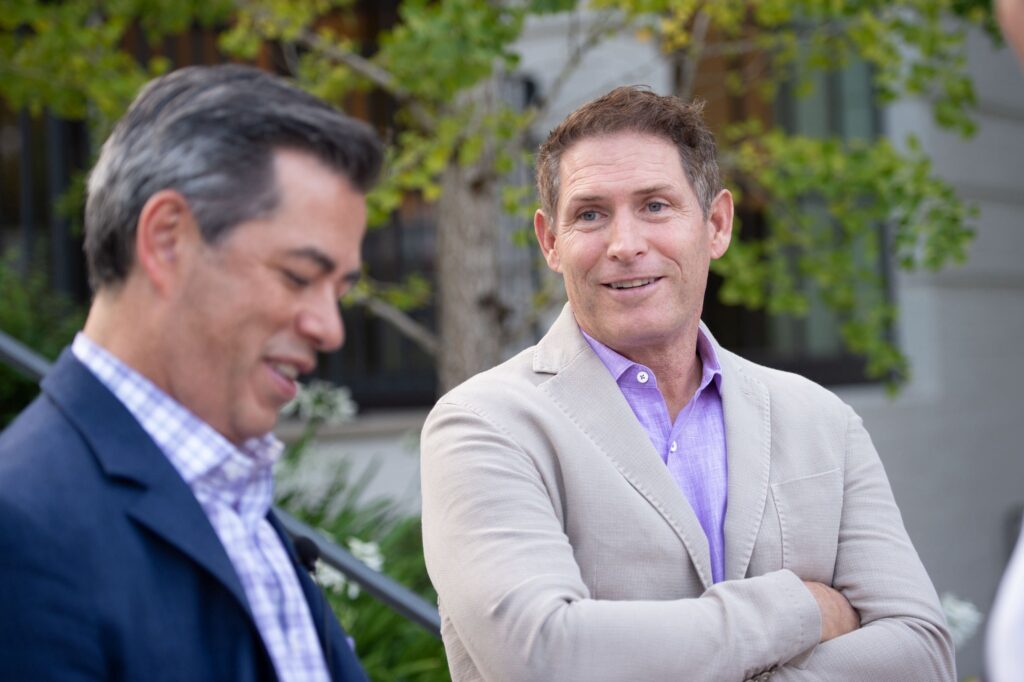
Given his history with the NFL, it’s no surprise to learn Young believes in the power of teamwork, but he says the support teams offer can come in many forms. For instance, Young is open about his own struggles with anxiety, but he credits the support he received from family and friends for helping him overcome that anxiety.
“Depression is unhealthy rumination about the past; anxiety is unhealthy rumination about the future. Both take you out of the present. Being worried about failure or fears of the future are normal, but mental health must be maintained,” he says.
“We need to normalize being able to be vulnerable enough to ask for help. There are family, friends, and professionals who can all provide support. If you were lost in a forest and a ranger showed up, you’d ask how to get out. It’s the same with mental health. In that situation, vulnerability is a superpower.”
Meaningful Relationships
Support can also come when it’s least expected. Young recalls an encounter with Dr. Stephen Covey, author of The 7 Habits of Highly Effective People, and how Covey’s support helped him bounce out of a slump and transform his perspective.
“I was in a dark place,” Young says. “On a flight, Dr. Covey asked me how I was doing, and I explained what was going on. He listened, asked me a few questions about my situation, and then said, ‘Steve, I think the platform you have with the 49ers might be the greatest opportunity I’ve ever seen.’ That hit me like lightning. He showed me I had allowed myself to feel like I couldn’t make a difference instead of taking the opportunity I had before me. I walked off that plane a changed man, and never looked at my life or career the same way again.”
As a leader at HGGC, he encourages others, including early-career professionals, to lean on others if needed.
“Life is messy. But even amid your own challenges, you’ll always have relationships. You’ve got to take care of your mental and physical health,” says Young.
That belief is baked into HGGC’s company culture, and it’s something HGGC employees will notice on day one.
“We’re hiring human beings, not robots,” says Young. “We tell people, ‘If you’re overwhelmed, say so. We’ll help.’”
That commitment to others isn’t limited to employees. Young says the firm also focuses on cultivating meaningful relationships with its partners and customers.
“We pride ourselves on being partnership investors, committed to a relationship-driven approach to private equity. This philosophy is deeply embedded in our founding values, our culture, and our organizational DNA,” says Young. “We view private equity as more than just a transaction; it’s a collaborative problem-solving journey. By applying our capital, intellectual resources, and extensive experience, we enable companies, management teams, and business owners to achieve their differentiated objectives in partnership with us.”

About HGGC
In 2007, Young co-founded Palo Alto-based HGGC in 2007 with Rich Lawson, industrialist Jon M. Huntsman, and Robert C. Gay. He helps oversee the firm’s $8.6 billion in assets under management (as of 6/30/2025).

Proud to be Awarded
Our collegial and tight-knit group of smart, energetic consultants is a key reason why Equity Methods is recognized with industry and workplace awards, year after year.



Take the Next Step Today
Interested in working with us? Browse our open positions today and take the next step in your career journey.